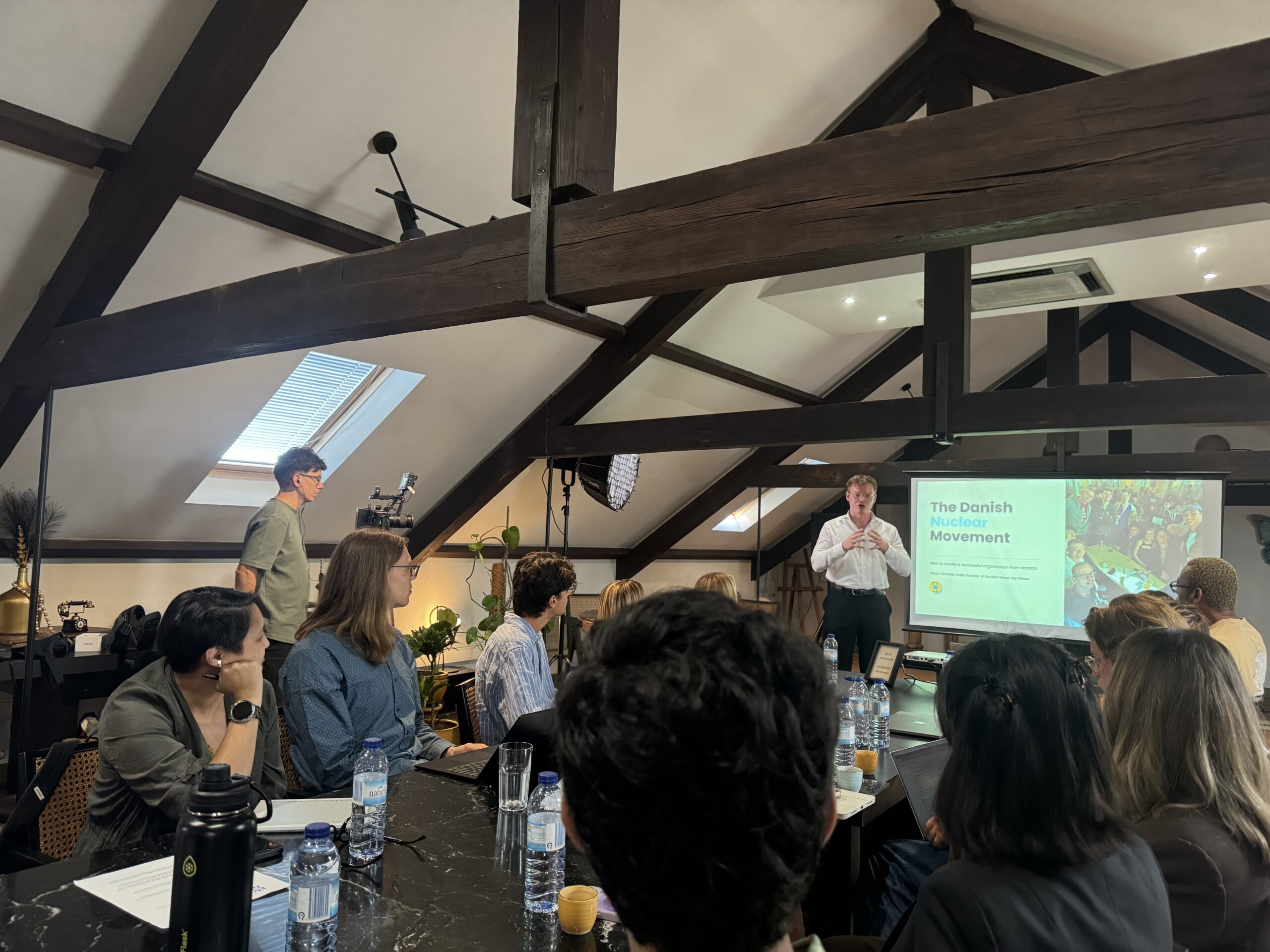
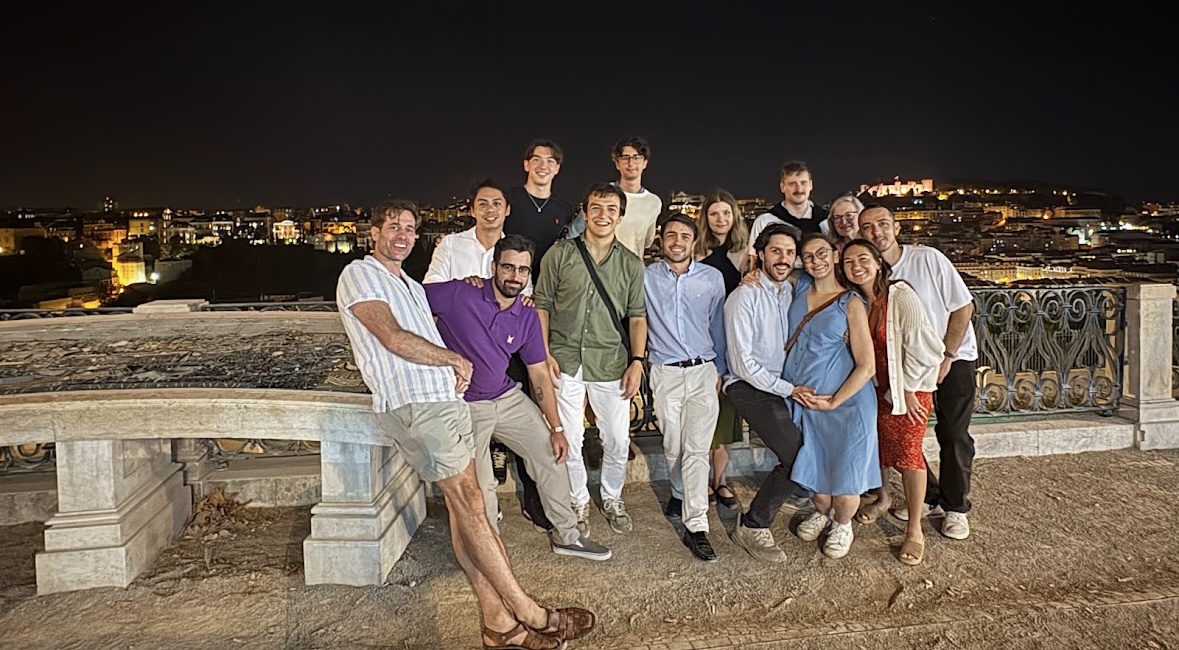
The Nuclear Champions Retreat in Lisbon brought together people from 12 countries who were working on different parts of the nuclear conversation. The event, organized by Stand Up for Nuclear,…
I travelled from Japan to Lisbon for an event called the Nuclear Champions Retreat, organized by Stand Up for Nuclear. It was the first gathering of its kind: two and…
At the ClimateLaunchpad Japan National Finals in Tokyo in August 2026, one of the early discussions included nuclear energy and smaller reactor concepts, which naturally caught my attention because much…
In August 2026, I attended the ClimateLaunchpad Japan National Finals in Tokyo, where entrepreneurs presented businesses built around climate and environmental challenges. The ideas ranged from energy and semiconductors to…
Before traveling to Kyoto, I spent time reading Takashi Kamei’s papers, presentations, and interviews. Anyone with an interest in advanced nuclear energy in Japan eventually comes across his work. For…
A country can preserve the drawings for a nuclear power plant, maintain its technical standards and store decades of operating records. It can keep the site licensed and the machinery…
In Japan, ships are so familiar that we barely notice them. Tankers enter our ports, container vessels cross the horizon, and cargo moves through Yokohama, Kobe, Nagoya and countless smaller…
The nuclear industry has no shortage of ambitious ideas right now. Companies are talking about smaller reactors, safer designs, faster construction, flexible operation, and power for everything from data centers…
A major U.S. retailer recently signed a long-term agreement to buy nuclear electricity from Constellation Energy’s Dresden Clean Energy Center in Illinois. The agreement covers about 176 megawatts of power…
When Japan released its latest energy plan, most of the headlines focused on a single number: nuclear power is expected to provide around 20% of the country’s electricity by 2040.…